DISCOVER THE POSSIBILITIES
A new perspective can change the question.
Explore how drone technology can support useful work, creative expression and a deeper understanding of the world around us.
MORE THAN A DIFFERENT CAMERA ANGLE
Small aircraft. Real-world possibilities.
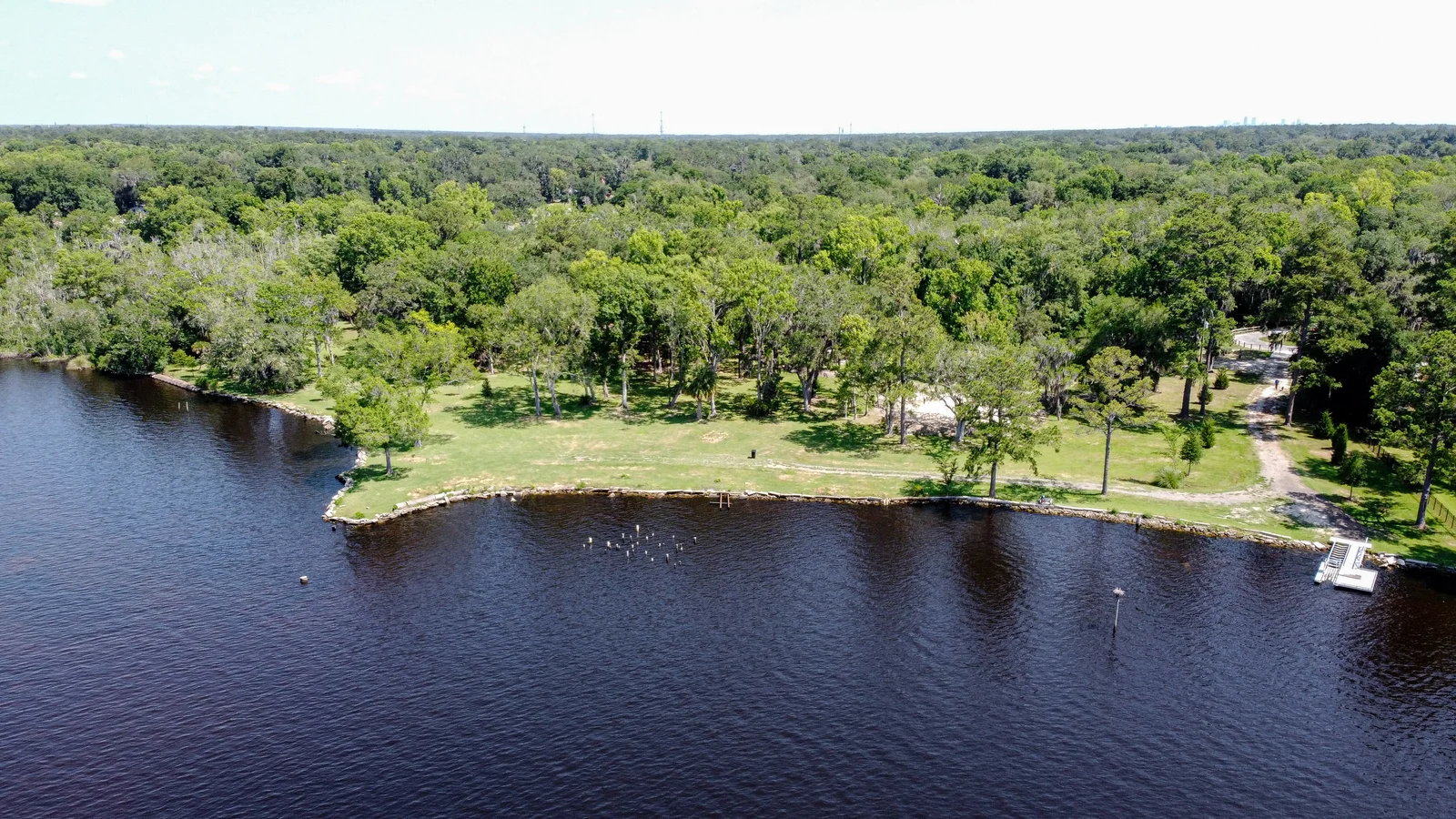
ENVIRONMENT
A better view of the places we love.
Explore how aerial perspectives can help people observe landscapes and understand change.
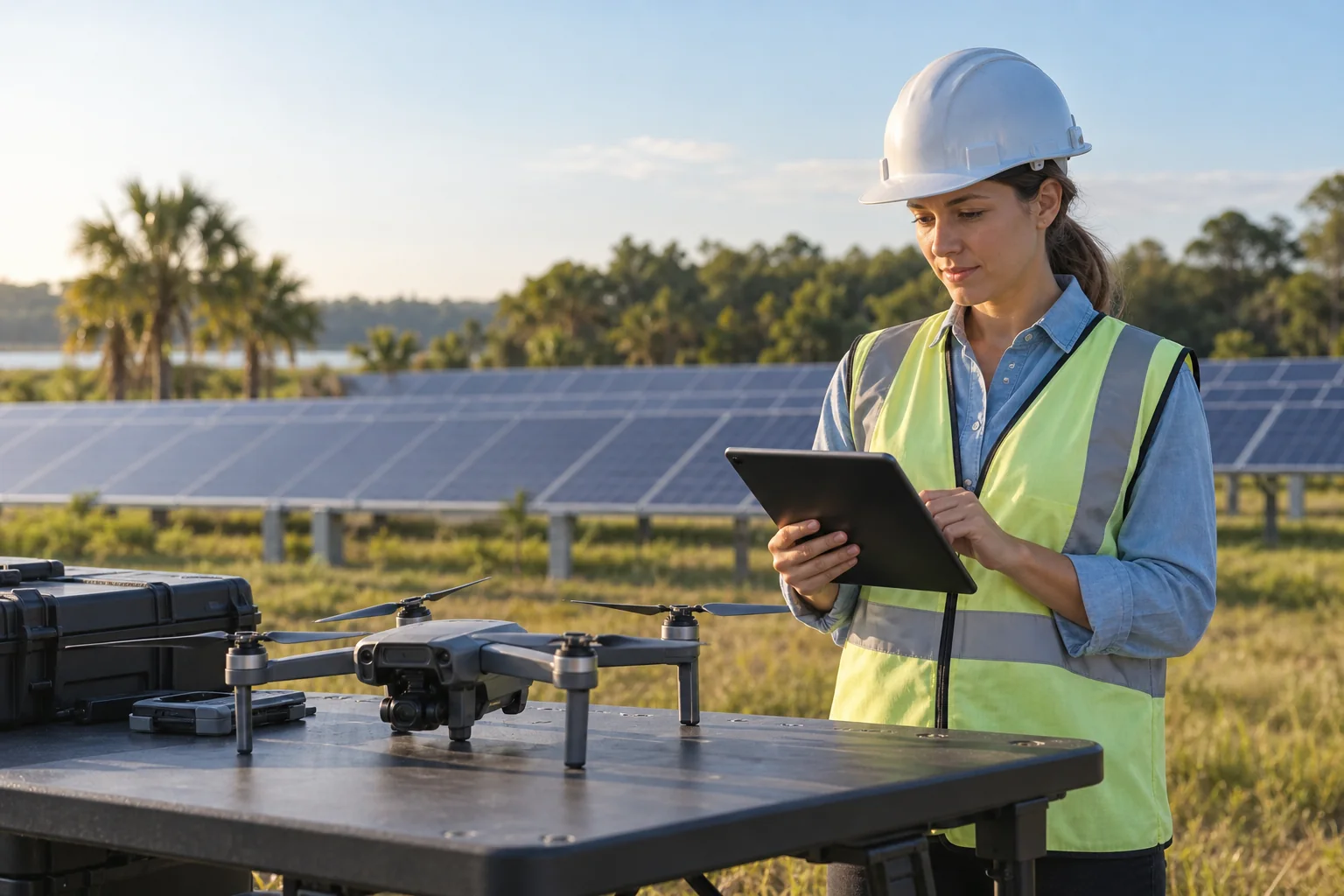
USEFUL TECHNOLOGY
New perspectives. Practical possibilities.
Discover how drones can support inspection, documentation and informed decisions.
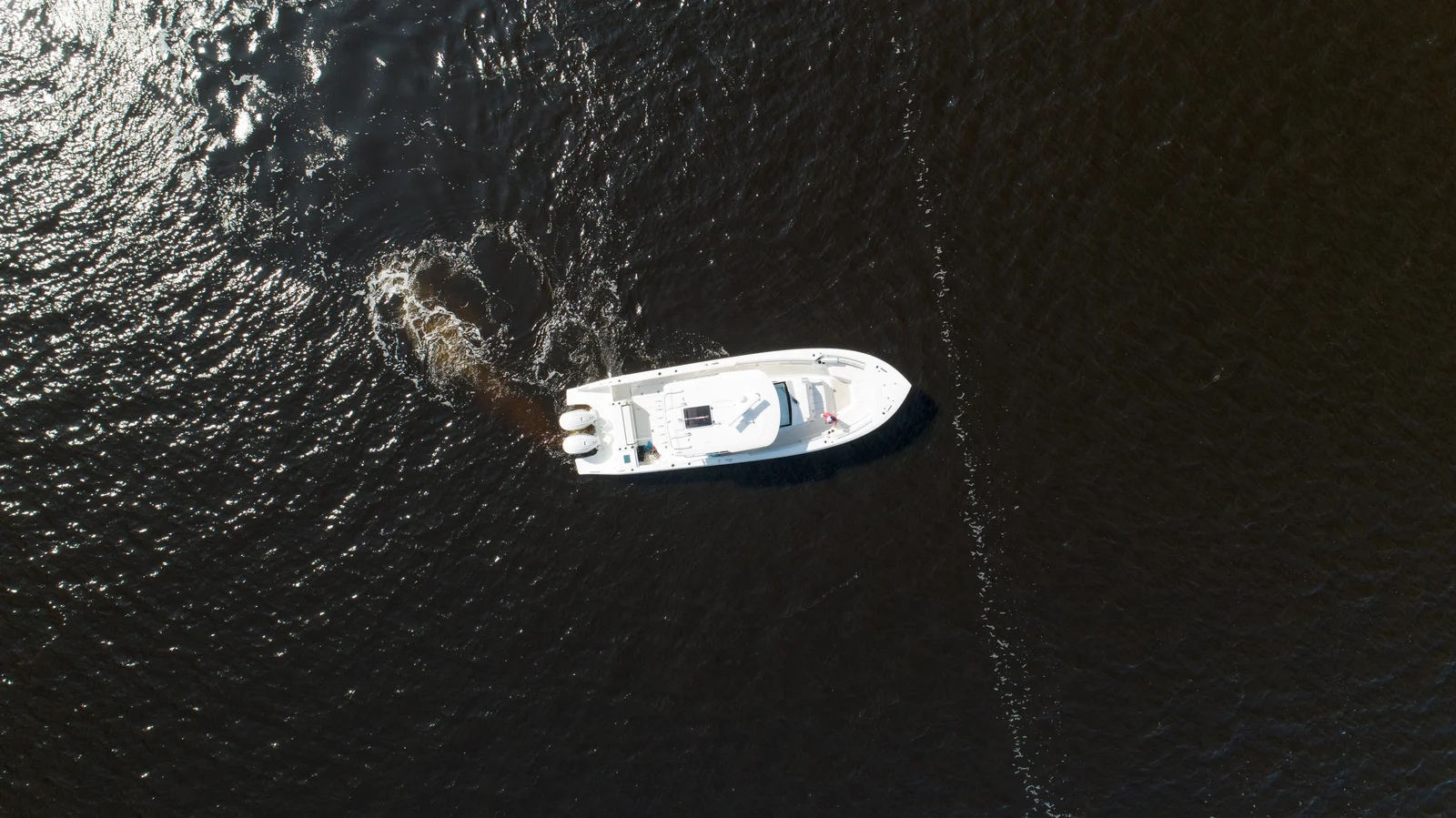
LEARNING & CREATIVITY
Small aircraft. Big moments of discovery.
From visual storytelling to hands-on learning, curiosity can open a new door.
Observe our environment
Repeat aerial images can help people compare landscapes over time, document features and ask better questions about environmental change. Useful information depends on thoughtful planning, appropriate equipment and responsible operation.
Respect wildlife and sensitive habitats. A useful image is never a reason to disturb a place. This is an application overview, not an announcement of a NEFLDA field program.
Support practical inspection
Drones can offer a different view of roofs, structures, solar arrays and other assets. Images may help trained teams document conditions and decide where a closer inspection is needed.
Collecting imagery is one part of the work. Professional interpretation, appropriate permissions and operational competence still matter.
Learn, create and tell stories
Aerial photography changes the way a familiar place is framed. Drone activities can also introduce engineering, measurement, planning and visual storytelling.
For learners, a good first project may happen entirely on the ground: plan a sequence, compare perspectives or learn how a controller works. Progress to flight only when preparation and the operating setting support it.
Explore other applications
Agriculture, mapping and public service offer further areas to explore. Some operations require specialist equipment, trained teams or additional permissions. NEFLDA’s role here is to introduce possibilities and encourage responsible learning.